Writing and Designing for Jellyvale: A Match Tale
-
Jellyvale is a hybrid-casual F2P Match 3 Platformer and Town Decorator. I was brought in during pre-production to establish the foundational lore and narrative design systems of the project.
This involved designing an NPC-driven quest-based system that emphasized engaging stories, and co-leading the Hub World (Town) player experience and design goals in tandem with our Lead Economy Designer and CEO.
-
My first milestone working on Jellyvale was to spearhead our IP development: our goal was to building a cozy, delightful world filled with familiarity.
This led me to pitching “Fairy Tails,” an anthropomorphic Fairy Tale world filled with Fairytale Critters—which eventually became Jellyvale.
-
A huge narrative force for games are the NPCs—art and design make the world real, characters make the world feel alive.
Characters need to reflect the world, yes, but they should also be iconoclastic symbols of the game itself—intentionally or not.
On Jellyvale, my goal was to create a cast of lovable, somewhat subversive, contemporary counterparts to traditional Fairy Tale characters.
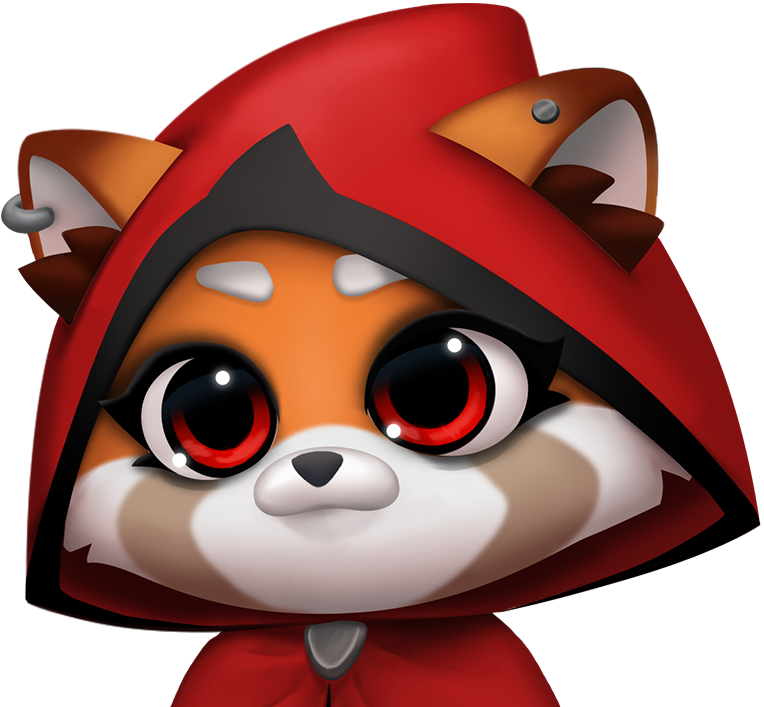
Lily Redhood, the Goth Baker
Cindi R. Ella, Cheerful Fashion Designer
Prince Charmington, Bashful, Bookish Prince
Geraldo “Champ” Gingersnap, Cookie-Cutter Gym Bro
Morgaine DeWitch, Cozy Cottage Witch
These characters were easily identifiable and familiar enough, while providing a unique, surprising twist for our players.
-
A core design philosophy for Jellyvale was developing all features with narrative design at the forefront.
For our team, “narrative design” is responsible for developing a core gameplay metaphor—the harmonization of mechanics, story, and art—and then outlining how these gameplay metaphors become full features.
-
Whether it was for NPC Questlines, Live Ops, Events, or new gameplay verticals, our design team was constantly asking, “does this design feel delightful?”
“Dynamic Delight” was our mantra throughout every feature process, always evaluating if our gameplay or narrative content inspired delight for our players.
-
My first design opportunity was co-leading development on our 72hr weekly event, “Morgaine’s Brewstorming” and our quarterly “Hidden Creature” event.
These features—defined by quick turnarounds and rapid iteration—defined my design mindset: concisely carve to the heart of gameplay as quickly as you can, then build out from there.
“Let the content flow.” - Baron Harkonnen, Ruler of Live Ops -
Jellyvale’s first major feature addition was the “Rose Garden,” complete with a new NPC, Dialogue System, and Gameplay Vertical.
This was my first opportunity to iterate on our core dialogue UI and UX, adding in an additional “fairy tale mode” where players saw custom art assets while an in-game fairy tale was read to them.
In line with this narrative changes, we ideated on how best to improve our core M3 gameplay through ludonarrative connection; we developed the “Rose Tunnels,” a clean gameplay metaphor for this new core loop that aligned exactly with the Rose Garden narrative.
-
A key learning from Jellyvale was how to constantly lean on player feedback and playtest data to guide design decisions.
Design is as much an art as a science, but playtest data and metrics are a great source of concrete knowledge that can help define content and design goals for a project.
Whether it be subjective (playtest) or objective (retention, payer%) data, I find myself leaning heavily on both to influence my design philosophy for a given project.
Narrative Work
-
![]()
Branching Narrative
A brief branching narrative system developed for Jellyvale: A Match Tale.
-
![]()
Micronarrative Dialogue
An alternative take on Beauty and the Beast tied to Jellyvale’s Rose Garden core loop.
-
![]()
Bark Variety
A collection of barks I wrote for Jellyvale: A Match Tale.



Design Work
-
![]()
NPC Quest Outline
A design outline for the first quest in Jellyvale: A Match Tale.
-
![]()
Farming Design
A design document on the Farming feature development for Jellyvale: A Match Tale.
-
![]()
Concrete Resources Design
A design document on the Concrete Resources feature development for Jellyvale: A Match Tale.